Concrete Slabs & Flatwork
Level, durable concrete surfaces for every part of your property.
The Foundation for Everything
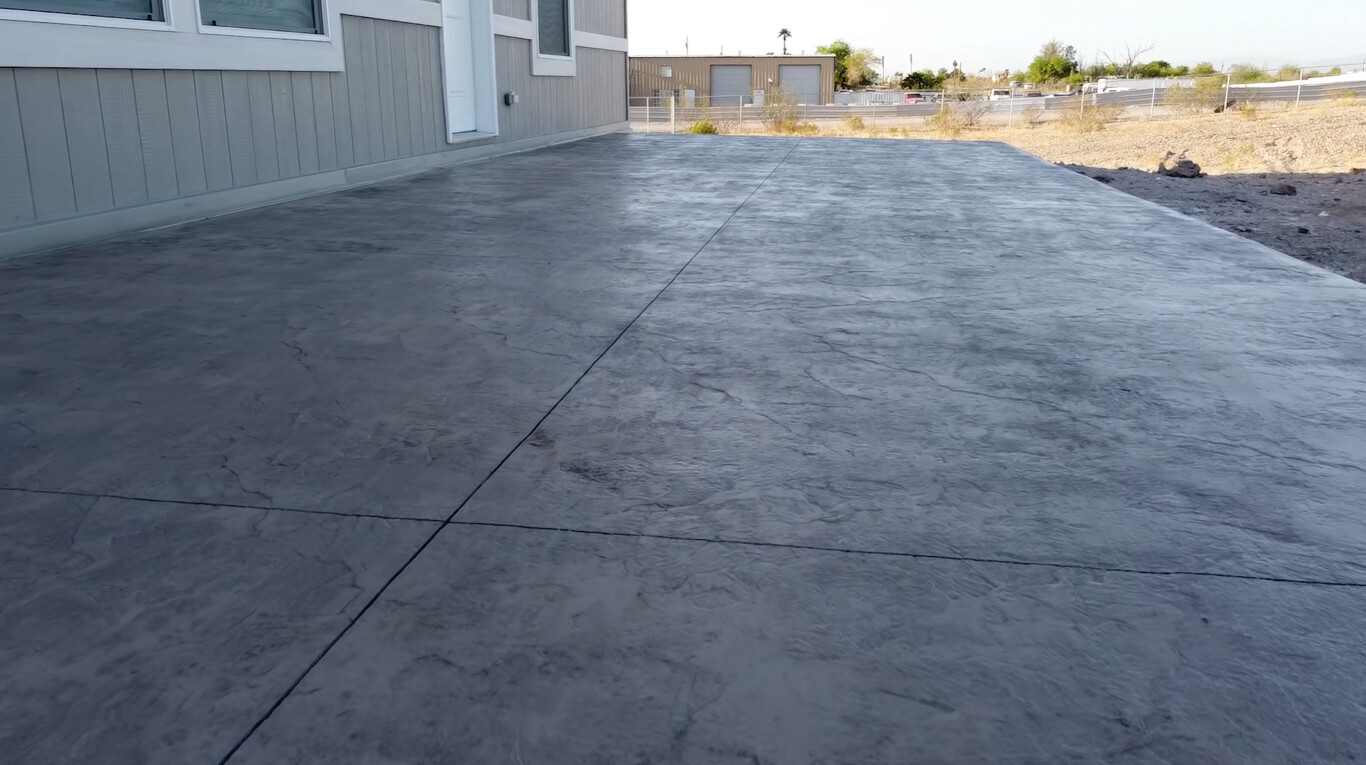
Concrete slabs and flatwork are the backbone of your property. These level surfaces support sheds, outdoor kitchens, RV parking, basketball courts, and countless other uses. While they might look simple, proper slab construction requires careful planning and precise execution. Cut corners during installation, and you'll deal with cracking, settling, and costly repairs later.
We've poured thousands of square feet of concrete slabs across Upland, CA and the Inland Empire. Whether you need a small equipment pad or a large shop floor, we bring the same attention to detail that makes our driveways and patios last for decades. Let's talk about what makes a quality concrete slab and why proper installation matters.
Common Slab Applications
Concrete slabs serve many purposes around your property. Here are the most common projects we handle in Upland:
- Shed foundations: A level slab keeps your storage shed dry, prevents wood rot, and provides a stable floor.
- Equipment pads: HVAC units, generators, and pool equipment need solid, level bases that won't settle or tip.
- RV parking: Wider and thicker than standard driveways, these slabs support heavy vehicles without cracking.
- Workshop floors: Smooth, level concrete makes working easier and allows you to move heavy equipment safely.
- Basketball courts: Kids love having a flat playing surface, and concrete handles years of dribbling and shooting.
- Dog runs and kennel areas: Concrete is easy to clean, doesn't hold odors, and prevents digging.
What Makes a Quality Slab
All concrete slabs look similar after installation, but the quality depends on what happened before the pour. We start by excavating to the proper depth and removing any organic material that could decompose and cause settling. Then we compact the soil thoroughly, which prevents future movement. Next comes a gravel base, usually 4-6 inches deep, which provides drainage and additional stability.
The slab thickness matters too. Most residential applications need 4 inches of concrete, but areas supporting vehicles or heavy equipment need 6 inches or more. We also add rebar or wire mesh for reinforcement, which helps the slab stay together even if small cracks develop. Finally, we grade the surface for proper drainage so water doesn't pool on your slab.
Understanding Concrete Finishing
The finish you choose affects both appearance and function. A smooth trowel finish works well for workshops and areas where you need to roll equipment. A broom finish provides traction for outdoor areas where the surface might get wet. For decorative applications, you can add stamped patterns or exposed aggregate. We'll help you choose the right finish for how you plan to use the space.
Site Preparation Is Everything
Poor site prep causes most slab problems. If the ground isn't properly compacted, the slab will settle unevenly, creating low spots and cracks. If drainage isn't addressed, water can undermine the base and cause voids under the concrete. We see these issues all the time with slabs installed by less experienced contractors who rushed the prep work.
We take site preparation seriously. Our crew has years of experience reading soil conditions and knowing when extra base material or special drainage solutions are needed. This attention to detail costs a bit more upfront but saves you from expensive repairs down the road. Check out our main page to learn more about our comprehensive approach to concrete work and see examples of recent slab installations.
Timeline and Curing
Most slab projects take 2-3 days. Day one involves site prep, excavation, and base work. Day two is for forming, reinforcement, and the concrete pour. Then the concrete needs to cure. You can walk on it after 24-48 hours, but wait at least 7 days before placing heavy items on the slab. For maximum strength, concrete continues curing for 28 days, though it's usable long before that.