
Loading...
Serving Upland, CA and surrounding areas. (213) 836-7114
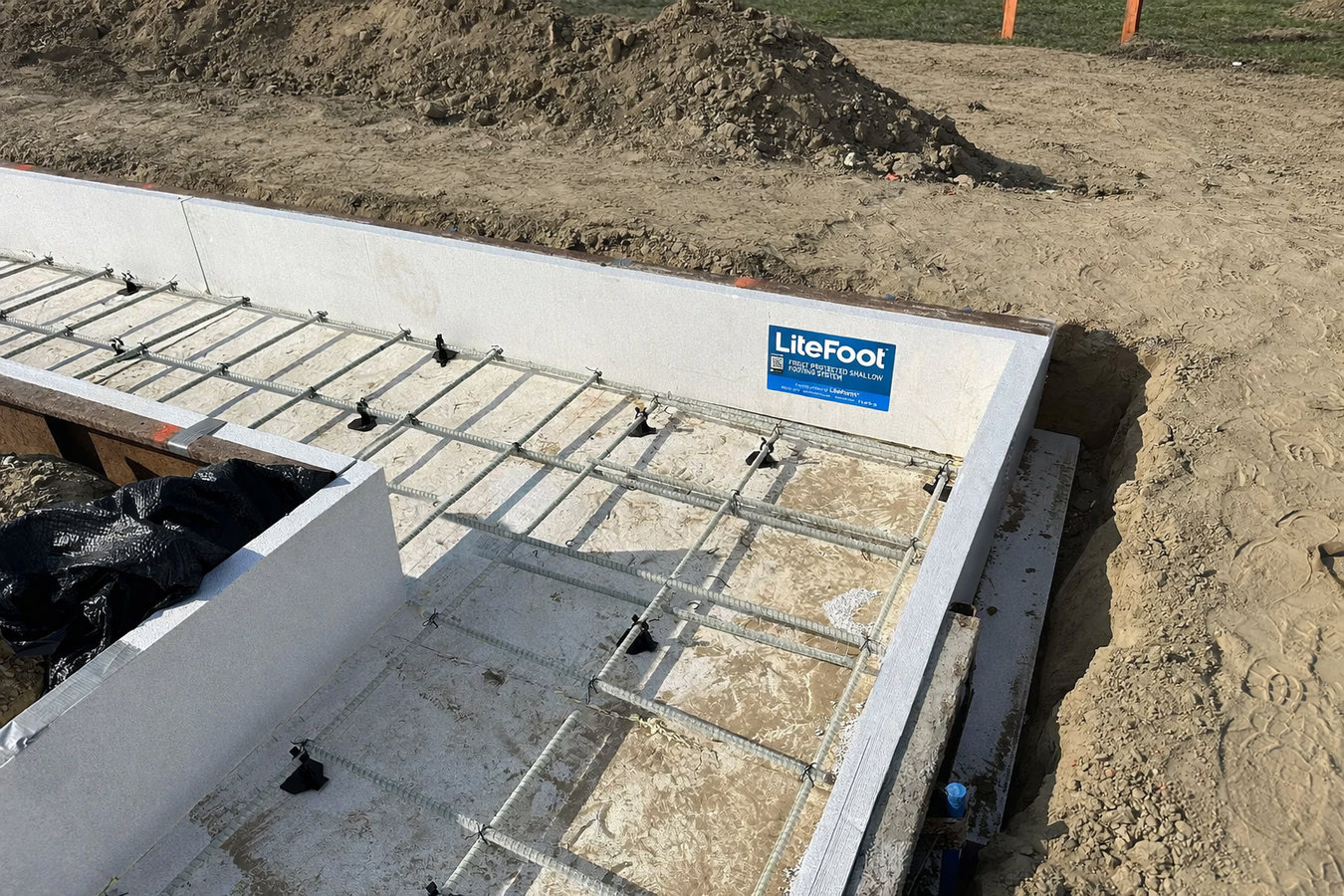
Footings are the hidden foundation that holds up everything above them. We dig to the right depth, place the steel, pull the permit, and pass the city inspection - so your addition, deck, or patio cover stays solid for decades.
Concrete footings in Upland involve digging trenches or holes to the depth required by permit, setting wood forms, placing steel reinforcement, and pouring concrete - most residential footing jobs take one to two days of active work plus a curing period of at least a week before building above them can begin.
Most homeowners never see their footings - but they are doing the hardest work of any structure on your property. If you are adding a room, a covered patio, a deck, or an ADU in Upland, new footings are almost certainly part of the job. Upland's clay soils and seismic location mean footing depth and reinforcement requirements here are stricter than in many other parts of California. When a project involves more than just footings, our foundation installation service covers full structural foundations for new additions and standalone buildings.
The City of Upland requires a permit and a pre-pour inspection for all structural footing work. We manage the permit application and inspection scheduling so you can focus on the project, not the paperwork.
Any new addition, patio cover, deck, detached garage, or ADU needs a proper footing underneath it before construction can start. In Upland, the city will require a permit and a pre-pour inspection before any of that work can proceed - and a footing that skips this step is a problem waiting to surface at resale.
Diagonal cracks running from the corners of door frames or windows can signal that the footings or foundation underneath are shifting. Upland's clay-heavy soils expand and contract with seasonal moisture changes, putting ongoing stress on older footings that were not designed for that movement.
When footings settle unevenly, the house frame shifts slightly - and the first sign is usually doors and windows that no longer latch or swing freely. This is especially common in Upland homes built before the 1980s, when soil testing and footing depth requirements were less rigorous than they are today.
If a porch, front stoop, or attached structure has pulled away from the main house and left a visible gap, the footing under that structure has likely shifted. This is a common sight in older Upland neighborhoods after a wet winter followed by a dry summer, because clay soil movement pulls structures in different directions.
Before we price any footing project, we visit the site. We look at what you are building, check the soil, and assess any existing structures nearby - because all of those things affect how deep the footing needs to go and how much steel is required. We dig to the depth specified on the permit, set the forms, place rebar to California seismic standards, and schedule the pour so the concrete is protected during curing. If you are building a project that also requires a poured foundation slab above the footings, our foundation raising service handles the structural work needed when an existing foundation requires leveling or elevation adjustment.
Every footing job we do in Upland is permitted through the City of Upland's Building and Safety Division. We coordinate the pre-pour inspection so a city inspector verifies the forms and reinforcement before any concrete goes in - which protects you and gives you documented proof the work was done to code. In summer, we take extra steps to keep fresh concrete moist during curing, because Upland's heat is one of the most common ways a footing gets weakened before it ever carries a load.
Suited for room additions and wall extensions where a long, continuous footing distributes load along the entire length of a wall.
Suited for decks, patio covers, and shade structures where individual posts carry concentrated loads at specific points.
Suited for accessory dwelling units and detached garages that require a full perimeter footing to meet Upland's permit and seismic requirements.
Suited for older Upland homes where existing footings have cracked or shifted and need to be replaced as part of a repair or addition project.
Upland sits on soils that contain clay - and clay moves. It swells when it absorbs water from winter rains and shrinks when the dry summer heat pulls that moisture back out. That cycle is one of the leading causes of footing failure in this area, and it is why contractors who work here regularly recommend deeper footings and more reinforcement than you would need in regions with more stable ground. The California Geological Survey documents expansive soil conditions across San Bernardino County, and Upland's location within that region means soil assessment is a genuine part of every footing project we take on - not a formality. Upland's proximity to active fault systems also means California's seismic reinforcement standards apply here in full, and the city inspector will verify that steel is in place before the pour is approved.
A significant portion of Upland's neighborhoods were built between the 1950s and 1980s, and many homeowners in those areas are now adding rooms, covered patios, or ADUs. We work regularly across the city, and homeowners in Claremont reach out to us for footing work on similar mid-century housing stock. We also serve clients in La Verne where the soil and permit conditions are closely comparable to Upland. Each city has its own permit process, and we handle that coordination for every jurisdiction we work in.
We respond to all new inquiries within one business day. When you reach out, have a rough sense of what you are building and the property address - that helps us prepare the right questions before the site visit.
We visit the property, check the soil and any existing structures nearby, and assess what the permit will require. You receive a written estimate that includes permit fees, dig depth, rebar, and labor - no vague line items.
Once you approve the estimate, we submit plans to the City of Upland and apply for the building permit. The permit review process typically takes one to three weeks - we handle all the paperwork and keep you updated throughout.
We dig the trenches, set the forms, and place the rebar. A city inspector checks the work before any concrete is poured. After the pour, the concrete cures for at least a week before building above it can begin - we protect the surface during that period, especially in hot weather.
We visit your site, assess the soil and scope, and give you a written estimate with no pressure and no surprises.
(213) 836-7114We submit the plans, pay the fees, and coordinate the pre-pour city inspection on every footing job. You do not have to navigate the City of Upland's Building and Safety Division yourself - we handle it and keep you informed at each stage.
We assess your site's soil conditions before writing a quote - not after. In Upland, where clay soils are common, this step determines whether the footing needs to go deeper or wider than a standard job. It is also why our quotes do not change dramatically once work starts.
California's requirements for rebar placement in footings exist for a reason, and Upland's seismic location means those requirements are enforced at inspection. We place steel to the spec required by the permit, and we welcome the pre-pour city inspection because it confirms the work is correct.
Upland regularly reaches temperatures above 95 degrees in summer, and fresh concrete that loses moisture too quickly ends up weaker than designed. We use wet burlap, curing compounds, or early-morning pour timing to protect every footing we pour - the Portland Cement Association documents why this step matters and we apply it on every hot-weather job.
Good footing work is invisible once the project is done - and that is exactly the point. Every decision we make below grade is designed so the structure above stays level, solid, and legal for as long as you own the property.
Structural lifting and leveling for existing foundations that have settled or shifted - including the footing work required to re-establish bearing support.
Learn MoreComplete foundation systems for new additions and standalone buildings, combining footings with full perimeter and interior slab work.
Learn MoreSpring and fall fill up faster than you expect - contact us today to lock in your estimate and get ahead of the permit timeline.