
Loading...
Serving Upland, CA and surrounding areas. (213) 836-7114
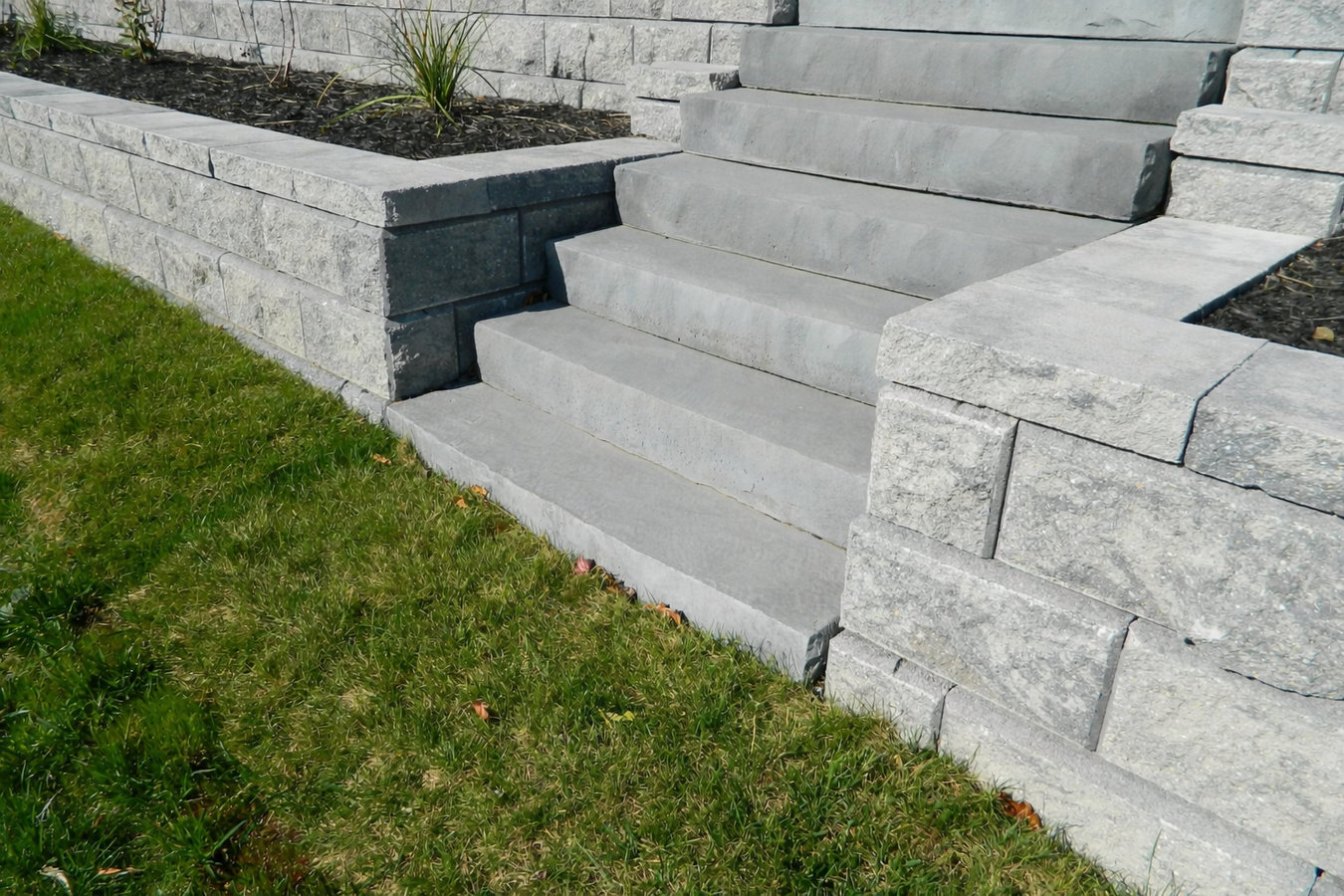
Cracked, shifting, or unsafe front steps are a trip hazard and a bad first impression. We build new concrete steps in Upland built for local clay soils and seismic conditions - with permits handled and textured finishes for year-round safety.
Concrete steps construction in Upland means building or replacing poured-in-place steps that connect different levels of your property - most residential projects take one to two days of active work, with a 24-to-48-hour wait before walking on the surface and about a week before the concrete reaches full strength.
A lot of Upland homes were built between the 1950s and 1970s, and front steps on those properties often show their age - cracked concrete, uneven risers, surfaces that were never finished for grip in wet weather. Concrete steps construction in Upland requires base prep that accounts for the area's clay-heavy soils and proximity to active fault systems, both of which put stress on concrete structures from below. Getting that foundation work right is what determines whether your steps last 30 years or start showing cracks in the first few seasons.
If your steps connect to a retaining wall or the slope of your yard, take a look at our concrete retaining walls work - we often handle both in a single project when the grade of the property calls for it.
Hairline cracks are common and often cosmetic. But cracks where one side sits higher than the other - or that you can fit a coin into - signal that the structure is starting to fail. In Upland, the combination of clay soil movement and occasional seismic activity can turn what looks like a minor crack into a real trip hazard faster than you would expect.
If any step moves slightly when you step on it, or if the surface has shifted so one edge is higher, the base underneath has moved. This is a safety issue, not a cosmetic one, and it tends to get worse over time rather than stabilizing on its own. Upland's clay soils are the most common culprit.
Properly built steps tilt slightly forward so water runs off. If you notice puddles sitting on your steps after Upland's winter rains, the pitch has either settled out of position or was never built correctly. Standing water makes steps slippery and accelerates surface wear over time.
If the top layer of concrete is peeling away in chips or flakes, the surface has broken down. In Upland's climate, this is often caused by years of sun exposure combined with occasional moisture cycling. Once spalling starts, it tends to spread - and the exposed interior concrete deteriorates faster without a protective surface layer.
We build new front entry steps, back door steps, pool deck steps, and multi-level yard steps throughout Upland. Every set of steps is formed, poured, and finished on-site with steel rebar reinforcement inside the concrete - so the structure has the flexibility to handle Upland's soil movement without cracking apart. The surface is finished with a broom texture that provides grip in wet conditions, which matters when Upland's winter rains arrive. If your new steps connect to a pool deck, we can build both in one project - see our concrete pool decks page for details on how we handle that work.
For projects where old steps need to come out first, we handle demolition and debris removal before forming the new work. If the grade of your property involves a slope or bank that needs to be held back near the steps, we also do concrete retaining walls - a combination that comes up often in Upland's hillside and foothill neighborhoods where the ground changes elevation near entryways.
Ideal for older Upland homes where original steps have cracked, shifted, or no longer line up correctly with the landing.
Suited for properties where a secondary entrance needs safe, properly pitched steps connecting the door to the yard or patio.
Best when steps leading from a pool deck to the yard need to match the deck surface and drain away from the pool area.
For sloped properties where several steps connect different elevations - built with rebar and compacted base for foothill soil conditions.
Upland sits in a seismically active area close to the San Andreas and Cucamonga fault systems, and the city's clay-heavy soils add a second layer of ground movement on top of that. Both forces put stress on concrete structures from below, and front steps - attached to or adjacent to your home's foundation - feel that stress directly. Steps that look fine when installed can start cracking or shifting within a few years if the base was not compacted correctly or the rebar reinforcement was skipped. We account for both soil conditions and seismic context on every project. Homeowners in nearby Rancho Cucamonga face the same geological conditions, and we work there regularly as well.
Upland's summers also affect the construction process itself. Temperatures regularly reach the high 90s from June through September, and concrete poured in peak afternoon heat can dry too fast on the surface before it has fully hardened underneath - which leads to surface cracking and a weaker finished product. We schedule summer pours for early morning and use curing methods that slow the drying process in the heat. Since Upland rarely sees hard freezes, work can be scheduled in any month of the year without the timing pressure of colder climates. Homeowners in Ontario face the same summer heat conditions, and we apply the same pour-timing approach there.
We reply within one business day. We ask a few basics - how many steps, whether old steps need to come out, and roughly what size - so we can give you a useful estimate range before we visit. No commitment required to have the conversation.
We come to your Upland property, measure the area, look at ground conditions, and give you a written itemized quote within one to two days. Get at least two or three estimates before deciding, and make sure each one spells out exactly what is included.
For most concrete step projects in Upland, we apply for a City of Upland building permit before any work begins. This typically takes a few business days to a couple of weeks. We handle the paperwork - your job is to confirm the permit is in hand before the crew arrives.
The crew removes old steps if needed, prepares the base, sets forms, and pours the concrete - usually in one day. You stay off the steps for 24 to 48 hours, and keep loads light for about a week. The city inspector visits as part of the permit process. We do a final walkthrough with you once everything passes.
No obligation, no sales pitch. We reply within one business day.
(213) 836-7114Steel rebar is embedded inside every set of steps we build. In an area with clay soils and seismic activity, that reinforcement is what lets concrete flex slightly with ground movement instead of cracking apart. Asking whether rebar is included is one of the most useful questions you can ask any contractor bidding your project.
Upland's peak heat runs from June through September, and concrete poured in the wrong conditions during a 100-degree afternoon can fail within a year. We schedule summer pours for early morning and take the steps needed to ensure the concrete cures properly - so the job is done right the first time.
We apply for the City of Upland building permit and coordinate the inspection visit on every applicable project. You do not need to contact the city at any point. The finished work is fully documented and code-compliant - which matters at resale and in any insurance situation.
Check contractor licenses at the California CSLBA large portion of Upland's homes were built between the 1950s and 1970s, and front steps on those properties often need demolition before new work can begin. We have worked on the full range of home types in this city - from older ranch-style homes near downtown to newer construction in north Upland - and know what to expect on each.
Rebar, proper heat management, permitted work, and local experience are not extras - they are what separates steps that hold up for decades from ones that start showing problems within a few seasons of Upland's weather.
For professional concrete construction standards, see the American Concrete Institute. For seismic hazard information relevant to the Upland area, the U.S. Geological Survey publishes maps and data for the San Andreas and Cucamonga fault systems.
When steps connect to a slab or the grade near your home needs a structural base, our slab foundation work addresses the ground conditions that affect everything above it.
Learn MoreSloped Upland properties often need a retaining wall alongside new steps - we build both together when the grade of your yard calls for it.
Learn MoreCracked or shifting steps get worse with every rain season - reach out now and we will get you a written estimate within one to two days.