Loading...
Serving Upland, CA and surrounding areas. (213) 836-7114
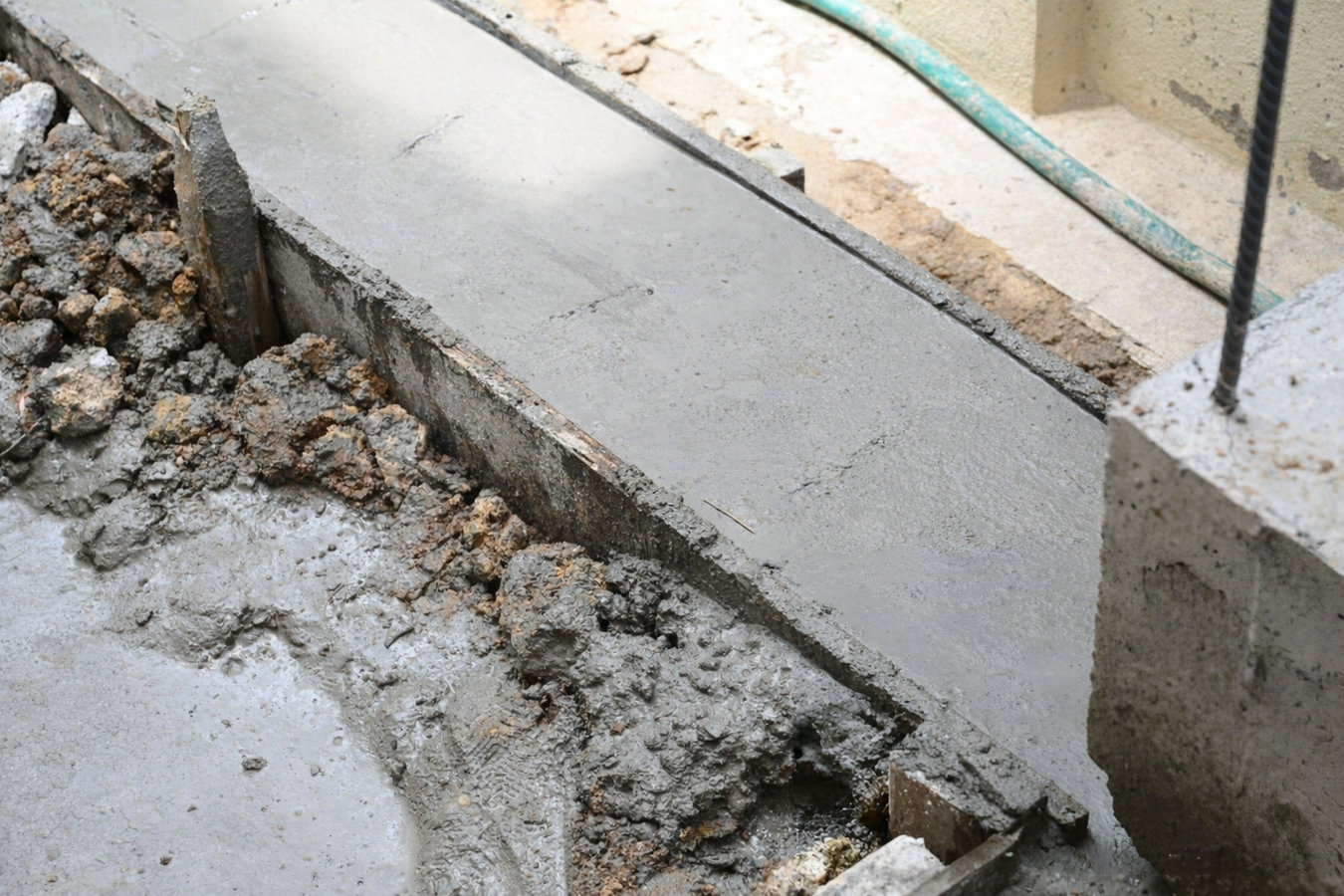
A sunken slab does not always mean a full replacement. We assess the soil, fill the voids underneath, and raise your concrete back to level - most jobs done in a single day.
Foundation raising in Upland involves drilling small holes through a sunken slab, pumping material underneath to fill the voids and push the concrete back to level, then patching the drill holes before the crew leaves - most residential jobs are completed in a single day, and you can walk on the surface the same afternoon.
Most homeowners call us because they can see or feel that a section of concrete has dropped - a driveway that tilts toward the house, a patio with a noticeable low spot, or a step edge that has become a trip hazard. The concrete itself is often still sound; it is the soil underneath that has shifted. Upland sits on clay-heavy soils that expand in wet winters and contract in dry summers, creating exactly the kind of void-and-settle cycle that causes slabs to drop. If your slab has dropped enough that drainage is a concern, our concrete cutting service can open sections that need to be removed and replaced rather than lifted.
We give you a written estimate before any work begins, explain exactly what we found under the slab, and tell you honestly whether raising is the right answer or whether something else will serve you better.
If one section of your driveway or patio sits noticeably lower than the section next to it, the soil underneath has shifted. In Upland, this often shows up after a wet winter when clay soils swell and then dry out, leaving gaps below the slab. You can see it and feel it when you walk across - you do not need a contractor to confirm it.
Upland gets most of its rain between November and March. If water sits against your home's foundation or collects in a low spot on your driveway after a storm, that is a warning sign. Standing water accelerates soil erosion under slabs, which leads to more sinking. Catching this early is much cheaper than waiting until the slab has dropped several inches.
When one slab sinks and the adjacent one stays put, the edge of the higher slab sticks up like a small step. This is a common hazard on driveways and sidewalks, and it gets worse over time if the soil keeps moving. If you or a family member has caught a foot on a concrete edge, that gap is worth measuring and addressing.
Small edge cracks are common and often harmless. A crack running across the middle of a slab, especially one that is wider on one side than the other, usually means the slab has tilted or dropped unevenly. In Upland's older neighborhoods, where slabs were poured on less-prepared soil, this kind of cracking is a reliable sign that the ground below has shifted.
We handle foundation raising for driveways, patios, sidewalks, garage floors, and structural home foundations. Before we drill a single hole, we assess the soil conditions and check the slab for existing cracks - because a slab that is too compromised for lifting needs a different solution. We offer both foam injection and mudjacking (cement-soil slurry), and we recommend the method that best suits your slab size, the depth of the void, and the soil conditions. For larger projects that involve removing and replacing sections of concrete rather than lifting them, our slab foundation building service covers full pours for new or replacement foundations.
Every job includes a written price before work starts, drill-hole patching at the end, and a final level check before the crew packs up. We pull any permits required by the City of Upland's Building and Safety Division, and we coordinate inspections so you do not have to navigate that process yourself. The American Concrete Institute publishes guidelines that frame how professional lifting work should be done, and we follow that framework on every job.
Suited for smaller or lighter slabs where a fast, low-disruption method is preferred - foam expands to fill voids quickly and leaves the smallest holes.
Suited for larger or heavier slabs where the density of a cement-soil mix provides more support - typically the more cost-effective option for big areas.
Suited for residential flatwork that has settled due to clay soil movement or poor drainage - one of the most common jobs we do in Upland.
Suited for situations where the slab your walls or floors rest on has dropped and needs to be lifted back to its original position before structural damage worsens.
Upland sits on expansive clay soils that swell when they absorb winter rain and shrink as the summer heat pulls that moisture back out. That constant movement is the single biggest reason slabs drop in this area - and it means that a foundation raising job here is not just about filling a void. A contractor needs to understand how the soil behaves through Upland's seasons before recommending a fix that will actually hold. The California Department of Conservation documents the expansive soil hazards that affect the Inland Valley, and Upland sits squarely in that zone. Add the proximity to active fault systems near the San Andreas, and minor ground movement from seismic activity is another factor that can accelerate slab settling here in ways that are less common in coastal areas. A large share of Upland's homes were also built between the 1950s and 1980s - slabs that are 40 to 70 years old, often thinner than modern pours, and originally set on soil that was not compacted to today's standards.
We work regularly throughout the area, and homeowners in Ontario call us for the same slab-settling issues that are common in Upland's older neighborhoods. We also serve clients in Rancho Cucamonga where the soil conditions and housing stock are closely comparable. In both cities, the combination of clay soil, older construction, and seasonal moisture swings makes foundation raising one of the most frequently needed concrete services we provide across the region.
We will ask a few basic questions - how large the area is, whether you have noticed cracks, and roughly how much the slab has dropped. You will hear back within one business day. You do not need to know all the answers - just describe what you see.
We come out to look at the slab in person. We check the level, look for existing cracks, and probe the soil around the edges to understand what is happening underneath. This visit takes 30 to 60 minutes, and you get a written estimate before anyone leaves your property.
The crew drills small holes through the slab at measured intervals, pumps material through those holes to fill the voids and push the slab back up, then patches the drill holes with concrete mix. A typical driveway or patio lift takes two to four hours.
Before packing up, the crew verifies the slab is level and walks you through what was done. You can walk on the surface the same day. Wait 24 to 48 hours before parking a vehicle on a lifted driveway slab. If a permit was pulled, we coordinate the inspection with Upland's Building and Safety Division.
Free written estimate. No obligation. We explain what we found and what it will cost before any work begins.
(213) 836-7114Upland's clay soils mean the underlying condition matters as much as the void itself. We probe the soil and check drainage before recommending a method - so you are not paying for a fix that holds for one rainy season and then settles again.
One of the most common contractor complaints is getting a low estimate and then seeing a higher number on the invoice. We give you a written price before any drilling begins. If something unexpected comes up during the job, we stop and talk to you before anything changes the cost.
Navigating the City of Upland Building and Safety Division is not something most homeowners want to deal with. We know which jobs require a permit and which do not, and we handle the paperwork when one is needed - so the work is documented correctly for any future home sale or insurance claim.
Any contractor doing foundation work in California must hold a valid license issued by the California Contractors State License Board. You can verify any contractor's license on the CSLB website in about two minutes. We carry current licensing and general liability insurance, and we are happy to provide proof before work begins.
These proof points matter because foundation raising is one of those jobs where the difference between a result that lasts a decade and one that fails in a year comes down to whether the contractor understood your specific soil and slab before starting. We work in Upland regularly, and that local experience - with the clay, the older housing stock, and the permit process - is what lets us give you a straight answer about what your slab actually needs.
When a slab is too damaged to raise, precise cutting lets us remove and replace only the section that needs it.
Learn MoreFull concrete slab pours for new structures or complete replacements when raising is not the right answer.
Learn MoreOur crew is familiar with Upland's soil conditions and older housing stock - we can often get to you within the week. Call now or submit a request online.