Loading...
Serving Upland, CA and surrounding areas. (213) 836-7114
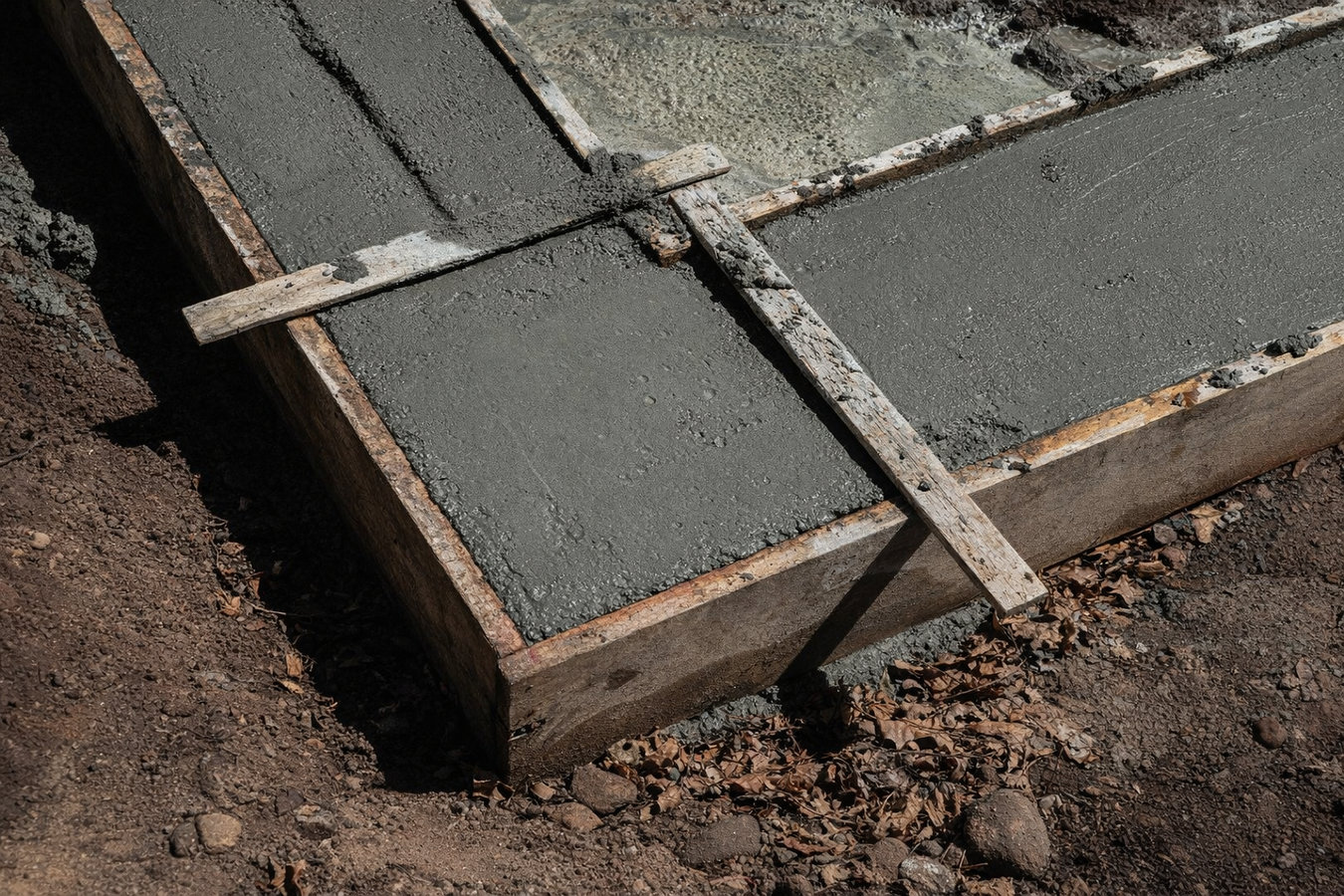
Upland's clay soils shift with the seasons. We build slab foundations with the reinforcement and drainage your property actually needs - permits handled, inspections passed.
Slab foundation building in Upland involves site grading, compaction, moisture barrier installation, rebar placement, and a permitted concrete pour - most residential projects take two to five days of active work plus a curing period of at least a week.
Whether you are adding an accessory dwelling unit, building a room addition, or replacing an aging slab in one of Upland's mid-century neighborhoods, the foundation is the part that determines how everything else holds up. Upland's expansive clay soils mean site prep and reinforcement decisions matter more here than in areas with more stable ground. If you are also planning above-grade work, our foundation installation service covers larger structural projects that tie new and existing concrete together.
The City of Upland requires permits and inspections for all foundation work. We handle the permit application and coordinate city inspections so you are not left managing paperwork on top of a construction project.
If you are building an ADU, garage, room addition, or new home, you need a foundation before anything else goes up. In Upland, where ADU construction has grown as homeowners look to add rental income or family housing, a new slab is usually the first item on the project plan.
Hairline cracks in concrete are normal. But if you can fit a pencil tip into a crack, or see diagonal lines running from door or window corners, the slab may be moving or settling unevenly. Upland's expansive soil makes this kind of movement more common than in areas with more stable ground.
When a slab shifts, the walls and frames above it shift too. Doors that used to swing freely now drag, or gaps appear between walls and ceiling. This pattern is especially common in Upland after a dry summer followed by wet winter rains - the soil expansion and contraction cycle accelerates the movement.
Damp spots on your concrete floor, white chalky deposits, or flooring that bubbles or warps without a plumbing leak above can mean moisture is working up through the slab from below. Older Upland homes from the 1960s and 1970s were sometimes built with minimal vapor protection, and this is a more common issue than many homeowners expect.
Every slab foundation project we take on starts with a thorough site assessment. We look at your lot grade, soil conditions, and any existing structures nearby before we write a single line in a quote. For residential additions and ADU projects, we design the slab to tie into existing concrete where needed. For new builds on empty lots, we handle everything from the first stake in the ground to the closed permit paperwork. When a project also requires structural footings, our concrete footings service covers the deeper bearing elements that support walls and posts above the slab.
We install moisture barriers, place rebar to California seismic standards, and use curing methods suited to Upland's climate - including early-morning pours during hot months to protect the concrete while it hardens. Every project is permitted through the City of Upland, and we coordinate the required inspections so you receive a clean permit record when the job is done.
Suited for homeowners building a new home, ADU, or standalone garage on an undeveloped lot or cleared site.
Suited for room additions and accessory dwelling units that need a new slab tied into an existing foundation or poured as a separate pad.
Suited for homeowners converting an older garage to living space, where the existing slab may need upgrading to meet habitable-space standards.
Suited for Upland homes - particularly those built in the 1960s through 1980s - where the original slab has cracked, settled, or failed its moisture barrier.
Much of Upland sits on soil that contains clay. Clay expands when it absorbs water and shrinks when it dries out - and in the Inland Empire, that cycle happens every year as winter rains give way to a long, hot summer. A slab foundation that was not designed with this movement in mind will start showing cracks within a few years. We account for the local soil in every project, which typically means deeper footings along the perimeter, more rebar than you would need in a drier or more stable region, and careful grading to move water away from the slab rather than toward it. Upland's position near the San Andreas Fault system also means California's seismic reinforcement requirements apply here - and they do add cost, but they are the reason your foundation holds together after a significant shake.
We serve homeowners across the Upland area and neighboring communities. Residents in Rancho Cucamonga face very similar clay soil and seismic conditions, and our crews work there regularly. Homeowners in Fontana also contact us for slab foundation projects on both new construction and older housing stock. The permit and inspection process may differ slightly by city, and we handle that coordination for each jurisdiction.
We respond to all new inquiries within one business day. When you reach out, have a rough sense of what you are building and the property address - that lets us ask the right questions before we come out.
We visit the property to check the grade, soil, and any existing structures nearby. A few days later you receive a written estimate that breaks down site prep, materials, permits, and labor - no single-line totals.
Once you approve the estimate, we apply for the City of Upland building permit and schedule the work around the approval window. Permit approval typically takes one to two weeks - we keep you updated throughout.
The crew handles excavation, gravel base, moisture barrier, rebar, and the pour. In summer, we schedule pours for early morning to protect the concrete. After curing, the city inspector signs off and we deliver your permit paperwork.
Free written estimate. We handle the permit application and city inspections - no paperwork for you to chase.
(213) 836-7114We account for the Inland Empire's expansive soil conditions in every foundation design - deeper perimeter footings, additional rebar, and proper grading. This is standard practice for us, not an upgrade you have to ask for.
We apply for the City of Upland building permit, schedule the required inspections, and close out the permit when the job is done. You receive the paperwork at completion - clean and complete for any future sale or refinance.
Upland sits near active fault systems, and California's seismic reinforcement requirements apply to every foundation poured here. We build to those standards as a matter of course - not as an optional line item. The American Concrete Institute's guidelines for structural concrete govern our mix and placement decisions.
Summer temperatures in Upland regularly hit the mid-to-upper 90s. We schedule pours for early morning during hot months and use curing methods that protect the slab while it hardens - so you get the full strength you paid for, not a surface that cracks within the first season.
Every one of these details is something a homeowner hiring a contractor for the first time has no way to verify until the problems show up later. We are a licensed California contractor, and our work is inspected by the City of Upland at key stages - which means there is a second set of eyes on it beyond our own. You can verify any contractor's California license on the CSLB website in about 30 seconds.
Larger structural foundation projects, including new-home foundations and reinforcement work on existing Upland properties.
Learn MorePoured concrete footings for posts, walls, and columns that need a deeper bearing point below the slab level.
Learn MorePermit slots and crew schedules fill up fast in the Inland Empire - reach out now and we will lock in your start date before the season gets away from you.