Loading...
Serving Upland, CA and surrounding areas. (213) 836-7114
Your slope is moving soil every time it rains. We build concrete retaining walls that hold the ground in place, protect your foundation, and turn hillside into usable outdoor space.
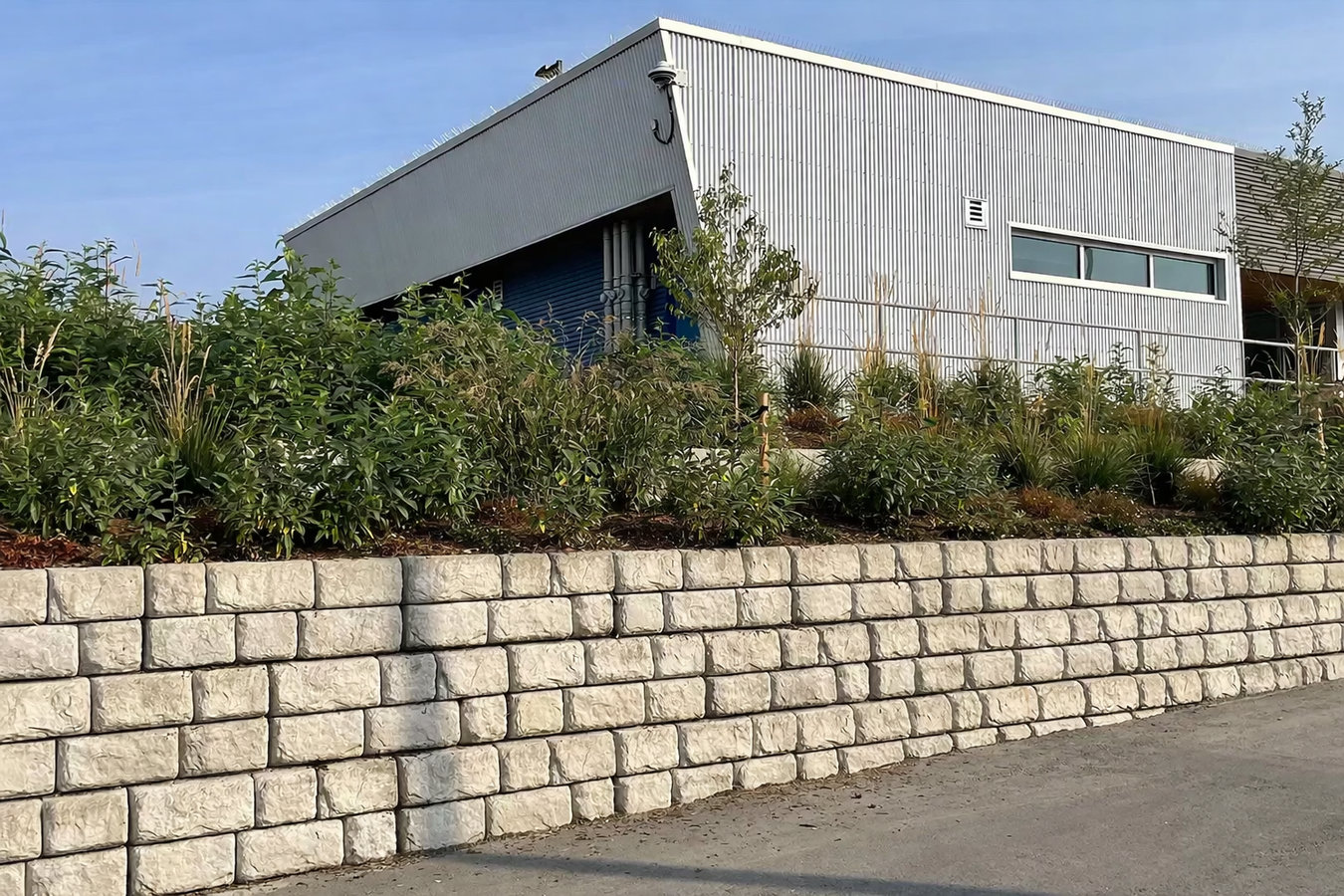
Concrete retaining walls in Upland hold back soil on sloped or uneven lots so it does not slide, erode, or wash toward your home, most jobs from permit to finished wall run four to eight weeks depending on wall height and site conditions.
If your yard has a hillside that loses ground every winter, or an existing wall that is starting to lean, you already know the problem is getting worse - not better - with time. A properly engineered concrete retaining wall gives that slope a permanent anchor. Upland homeowners in the foothill neighborhoods often pair this work with concrete floor installation to complete a terraced outdoor living area once the slope is secured.
We handle the permit through the City of Upland Building and Safety Division, the engineering if your wall height requires it, and the city inspection at the end - so you have paperwork confirming the wall was built to code.
If you see bare patches on a slope after winter storms, or small ridges of dirt piling up at the base of a hill, your soil is actively eroding. In Upland's foothill neighborhoods this gets worse each season - and once erosion starts, it accelerates without something solid holding the slope.
A retaining wall that tilts even slightly toward the downhill side is under stress it was not designed to handle. Horizontal cracks near the middle of a wall, or gaps opening between the wall and the soil behind it, mean the structure is beginning to fail and needs professional attention before the next rainy season.
If rainwater flows toward your home instead of away from it after a storm, a slope or grading problem is usually the cause. A retaining wall combined with proper grading can redirect that water away from your foundation - a genuine concern in Upland where winter storms can deliver significant rainfall in a short period.
Many Upland homeowners with foothill properties have yards that are too steep to use comfortably. A terraced retaining wall system creates flat, usable areas out of a hillside - turning a yard that is mostly slope into outdoor space you can actually enjoy.
We build poured concrete retaining walls and concrete block walls depending on your site, budget, and the height of the slope you need to hold. Poured concrete walls are a single continuous structure - very strong and well-suited for taller walls or sites with significant soil pressure, which is common on Upland's foothill lots. Both types include proper drainage backfill and reinforcement sized to your specific load. Once the wall is secured, many homeowners move on to concrete steps construction to connect the newly created terraced levels safely.
For sloped lots with multiple grade changes, a tiered wall system creates two or more flat terraces out of a single hillside. This approach is one of the most practical ways to add livable outdoor space to a foothill property - and it protects the slope at every level rather than leaving sections unsupported. We handle permits, engineering review, and city inspection for every project that requires them.
Best for taller walls and high soil-pressure sites where a monolithic, reinforced structure is the strongest option.
Suits smaller walls, irregular terrain, or sites where tight access makes poured-in-place forming difficult.
Ideal for foothill lots with significant grade change - creates multiple flat terraces out of a single steep slope.
Required for walls over a certain height in Upland - we manage the full permit and engineering process on your behalf.
Upland sits at the base of the San Gabriel Mountains, and many properties in the northern parts of the city have significant slope changes between the street and the home. The soil under most of these foothill lots is alluvial fill - soil deposited by runoff over decades - that contains a high clay content. Clay expands when wet and contracts when dry, which puts steady pressure on anything built to hold it back. A retaining wall that was not designed for this specific soil behavior is working against the ground year-round. Homeowners in Rancho Cucamonga face the same foothill soil conditions, and the same solution applies: proper drainage behind the wall is as important as the concrete itself.
Upland's rainy season - typically November through March - is when slopes show their true condition. A winter storm can saturate the soil behind an undersized or poorly drained wall fast, and that water pressure is the most common reason walls fail. Homeowners in Claremont to the west also deal with these wet-season soil pressures on foothill properties. The City of Upland requires permits for walls over a certain height, and the inspection process gives you independent confirmation that the drainage and reinforcement were installed correctly - not just the contractor's word.
We reply within one business day. We will ask how long and tall the wall needs to be and whether there is an existing wall to remove - then schedule a free on-site visit to see the slope in person before giving you a written estimate.
We assess your soil, measure the slope, and determine whether an engineering stamp is required. For walls over the permit threshold in Upland, we submit the application to the City of Upland Building and Safety Division on your behalf - typically two to four weeks for approval.
The crew digs the footing trench, sets steel reinforcement, and pours the footing. A city inspector may visit at this stage to verify the reinforcement before the wall pour - this is a required step and a genuine protection for you.
We pour or lay the wall, pack drainage gravel behind it, and install perforated drain pipe so water escapes instead of pressing against the structure. After a curing period, the city inspection closes the permit and you receive documentation confirming the wall passed.
No obligation. We visit your property, assess the slope, and give you a written number - not a guess over the phone.
(213) 836-7114Retaining walls built without a permit are a problem that surfaces at the worst possible moment - during escrow. We handle the permit application, engineering coordination, and city inspection from start to finish, so you have documentation the wall was built to code.
The most common reason retaining walls fail is water pressure behind the wall. We include gravel backfill and perforated drain pipe on every project - not as an upsell, but as a standard part of the build. The American Concrete Institute confirms proper drainage is essential to long-term wall performance.
American Concrete InstituteWe work regularly in Upland's foothill neighborhoods and understand the expansive clay soil conditions that put extra stress on retaining walls. That knowledge shapes how we size footings, set reinforcement, and specify drainage - details that determine whether your wall is still standing straight in 20 years.
Phone quotes for retaining walls are rarely accurate because site conditions vary so much. We visit your property first, then provide a written estimate that covers excavation, materials, labor, and permit fees - so you know exactly what you are paying before anyone picks up a shovel.
Every retaining wall we build is designed for the specific slope, soil, and permit requirements of your Upland property - not copied from a generic plan. That site-specific approach is what separates a wall that holds for decades from one that starts leaning within a few years.
Durable concrete floors for garages, patios, and interior spaces throughout Upland.
Learn MoreSafe, code-compliant concrete steps that complement your retaining wall and outdoor spaces.
Learn MoreCall us today or request a free estimate online - the sooner we assess your property, the better protected it is before the next rainy season.